Introduction
What if rising prices weren't just bad news? What if, for some people, inflation was quietly making them richer while everyone else complained about it?
Sounds strange, right? Most of us grow up thinking inflation is the enemy. It eats into our paychecks, makes groceries pricier, and shrinks our savings without us even noticing. But here's the twist: inflation doesn't treat everyone the same way. Some people lose. Others win. The difference comes down to one thing: what you do with your money.
This is also why many investors seek guidance from a swing stock trading consultant. While no one can control inflation, experienced market participants focus on identifying quality assets and trends that have the potential to outperform rising prices over time.
Let's break it all down, one simple idea at a time.
Why Everyone Fears Inflation
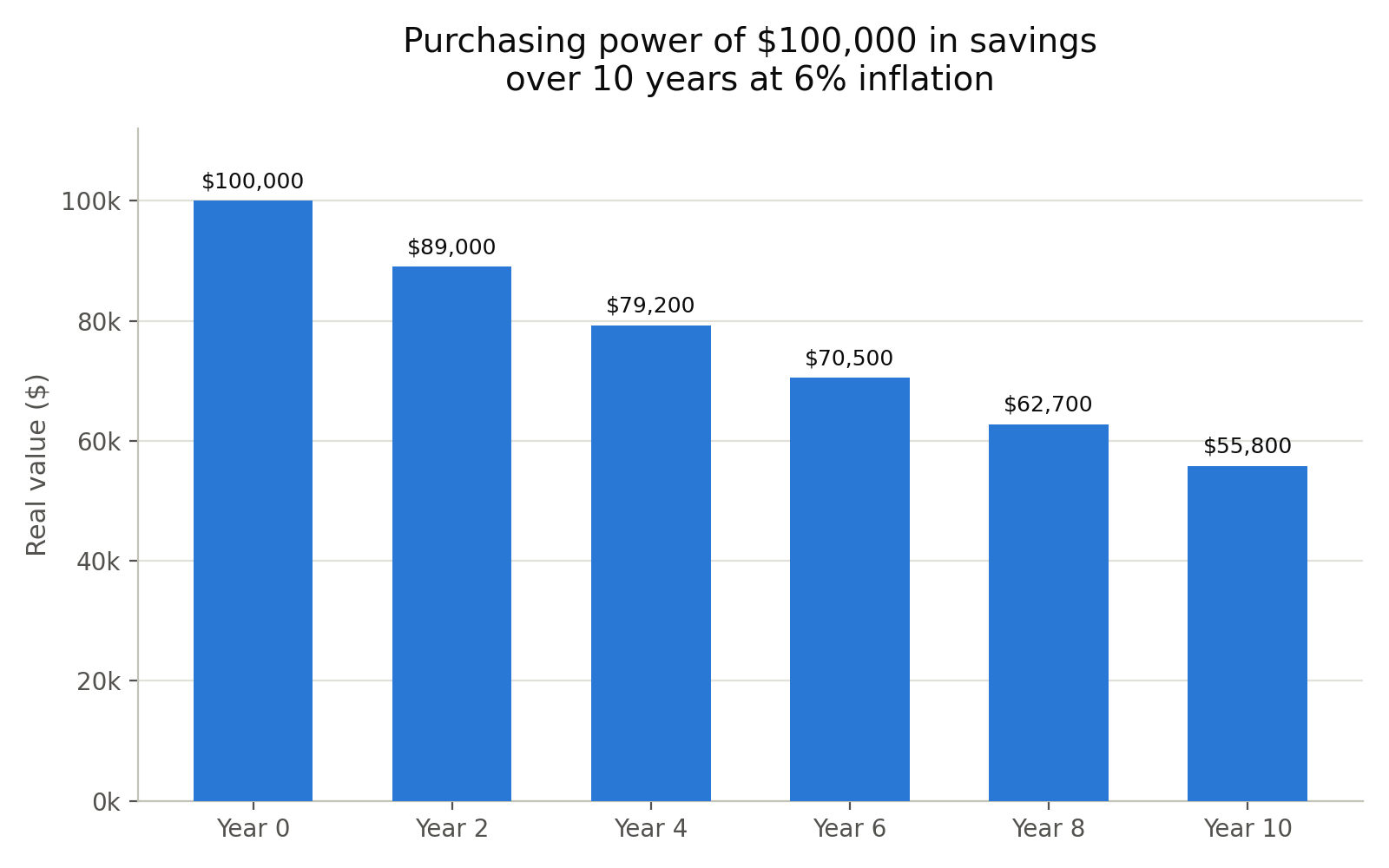
Inflation simply means prices go up over time. That cup of coffee that cost $3 a few years ago might cost $6 today. Nothing changed about the coffee. Your money just buys less of it now.
This is called a drop in purchasing power, a simple way of saying your dollar doesn't stretch as far as it used to.
Now think about your savings account. If you keep $100,000 sitting in a bank earning 4% interest, but prices are rising at 6% a year, you're actually falling behind. Your bank balance grows on paper, but what that money can buy shrinks in real life.
This is exactly why inflation has such a bad reputation. It quietly punishes people who just save cash and do nothing else with it.
The Hidden Side of Inflation
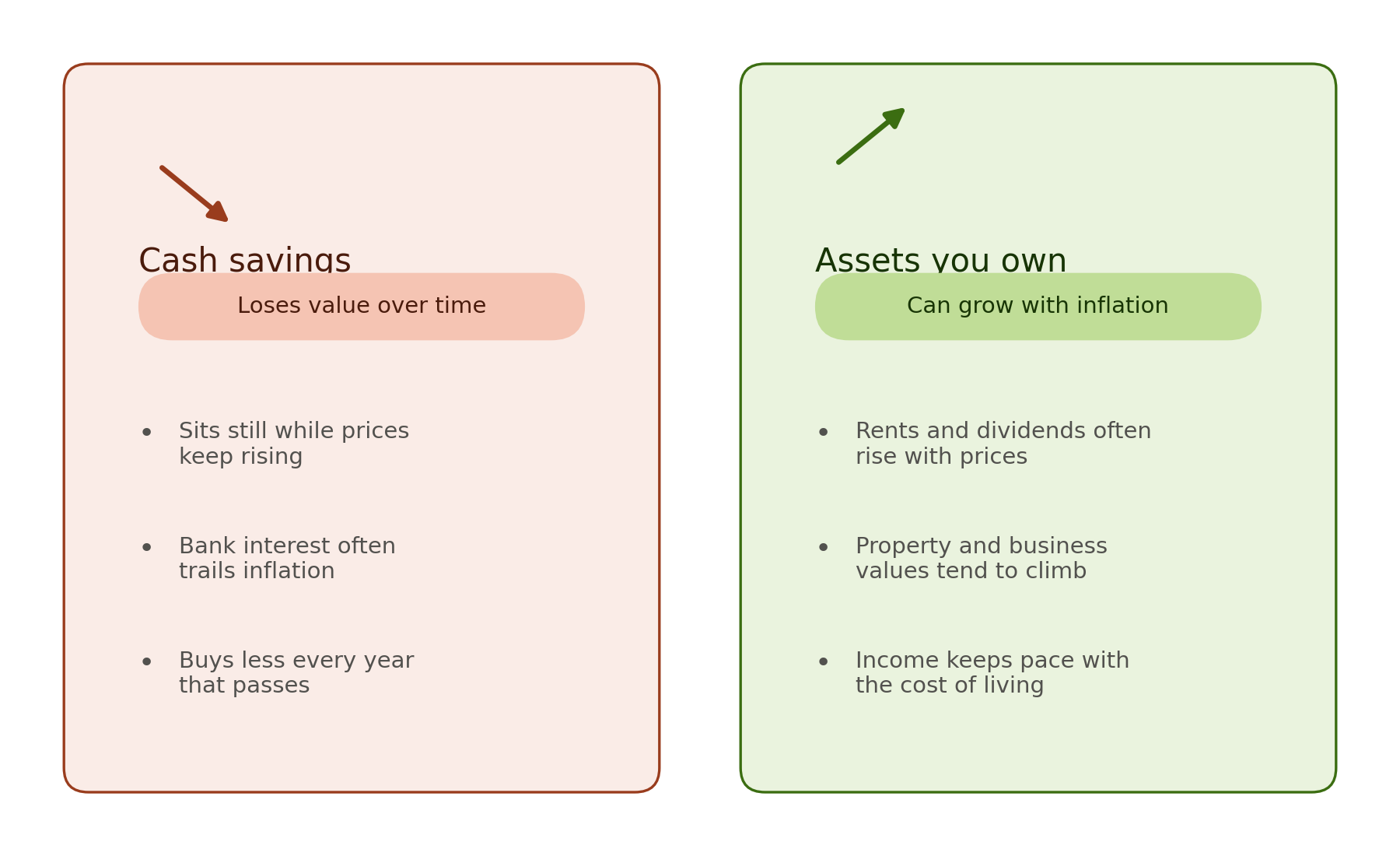
Here's what most people never get told: inflation isn't equally bad for everyone. It's bad for cash. It's not necessarily bad for assets.
An asset is anything you own that can grow in value or generate income: a house, a stock, a small business. When prices rise, the value of many assets rises with them. So instead of holding cash and watching it shrink, some people hold assets and watch their wealth grow alongside inflation.
This single shift in thinking, from saving cash to owning assets, is the foundation of long-term investing.
How Inflation Can Increase Your Income
Some investments don't just survive inflation. They actually benefit from it. Here's how.
Rental property. When prices rise, rents usually rise too. If you own a house you rent out, your monthly income can climb right along with inflation.
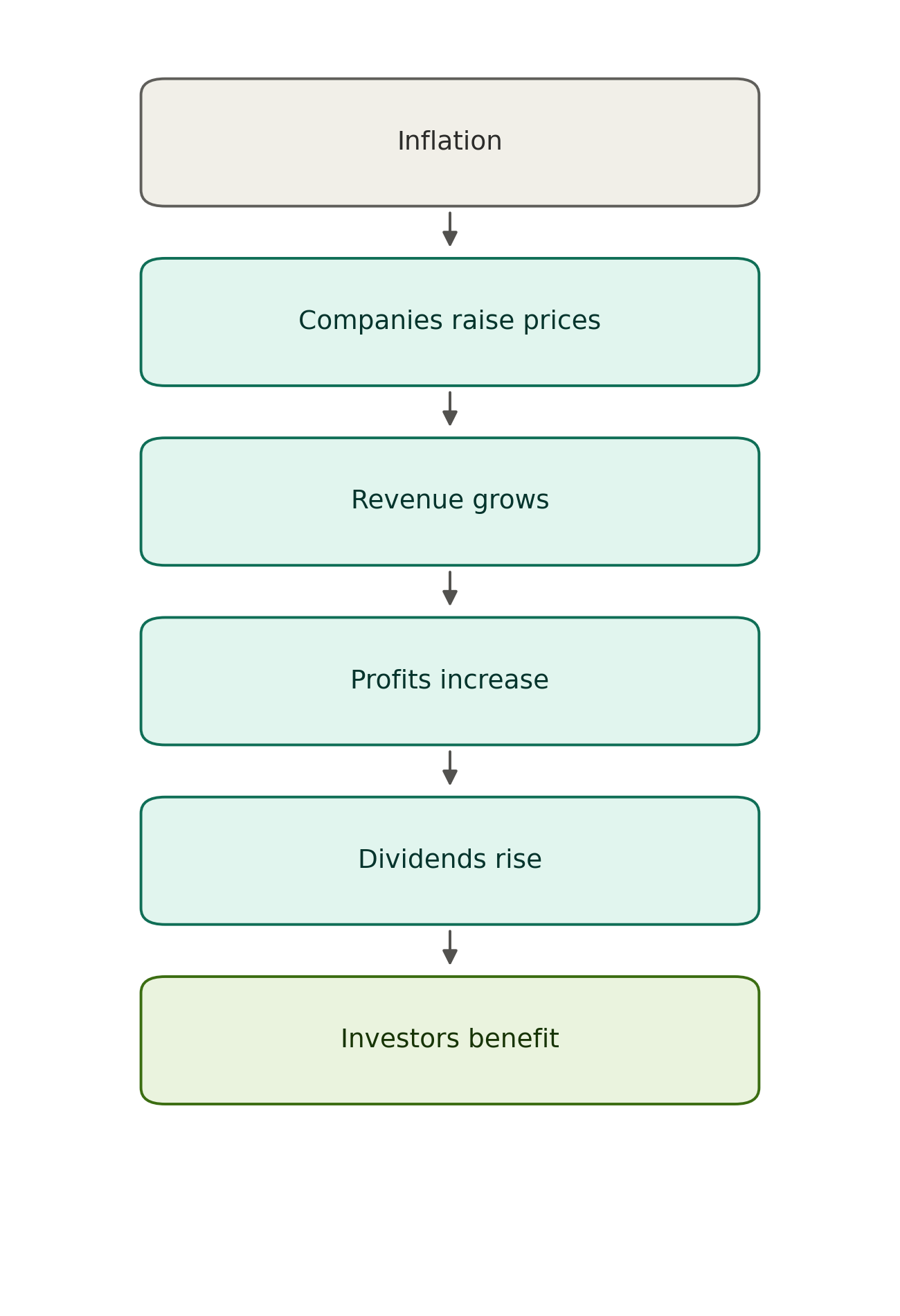
Dividend-paying companies. Some businesses share their profits with shareholders through regular payments called dividends. If a company can raise its prices during inflation, its profits, and often its dividends, can rise too.
Businesses with strong brands. Imagine your favorite coffee shop raises the price of a latte by a dollar and you still show up the next morning. That's called pricing power. Strong brands can charge more without losing customers, so their revenue grows even as costs go up.
Utility and toll road companies. People still need electricity and still drive the highway, inflation or not. These businesses often have regulator-approved pricing that adjusts with inflation, giving them steady, rising income.
Everyday consumer goods companies. Think about soap, toothpaste, or snacks. People keep buying these no matter what prices do, so these companies can often pass rising costs on to customers.
Two Friends, Two Outcomes
Let's make this real with a story.
Sarah and Mike are the same age, earn the same salary, and both save $500 every month.
Sarah keeps everything in a savings account. Mike invests his money regularly in a mix of dividend-paying stocks and a small rental property.
Fifteen years pass. Prices have roughly doubled during this time.
| Metric | Sarah (Cash Saver) | Mike (Asset Owner) |
|---|---|---|
| Where money was kept | Savings account | Stocks + rental property |
| Effect of inflation | Purchasing power shrinks | Rent and dividends rise with prices |
| Income over time | Stays roughly flat | Grows steadily |
| Real-life result | Feels stuck despite saving regularly | Feels financially ahead, with rising passive income |
Sarah did everything responsibly. She saved every month without fail. But because her money sat in cash, inflation quietly worked against her. Mike, by simply choosing where to put his money, let inflation work for him instead.
Who Wins and Who Loses During Inflation
Here's a simple way to see the bigger picture.
| Group | What Happens During Inflation |
|---|---|
| Cash savers | Lose purchasing power as prices rise faster than interest earned |
| Property owners | Often gain, since rents and property values tend to rise |
| Dividend investors | Often gain, if companies can raise prices and grow profits |
| Fixed-salary workers | Struggle, since salaries often rise slower than prices |
| Business owners with pricing power | Often gain, by passing rising costs on to customers |
Notice a pattern? The people who lose are usually just holding cash or fixed income. The people who gain usually own something that can grow or generate rising income.
What Investors Should Learn
You don't need to be an economist to protect yourself from inflation. You just need a few good habits.
- Don't park all your money in cash. An emergency cushion is smart. But excess cash sitting idle for years quietly loses value.
- Think in decades, not months. Long-term investing gives quality assets time to grow through multiple inflation cycles.
- Look for pricing power. Favor businesses that can raise prices without losing customers.
- Diversify. Spread your money across stocks, real estate, and other assets instead of betting on one type.
- Focus on rising income, not just rising savings. A growing dividend or rising rent often matters more than a big number sitting in a bank account.
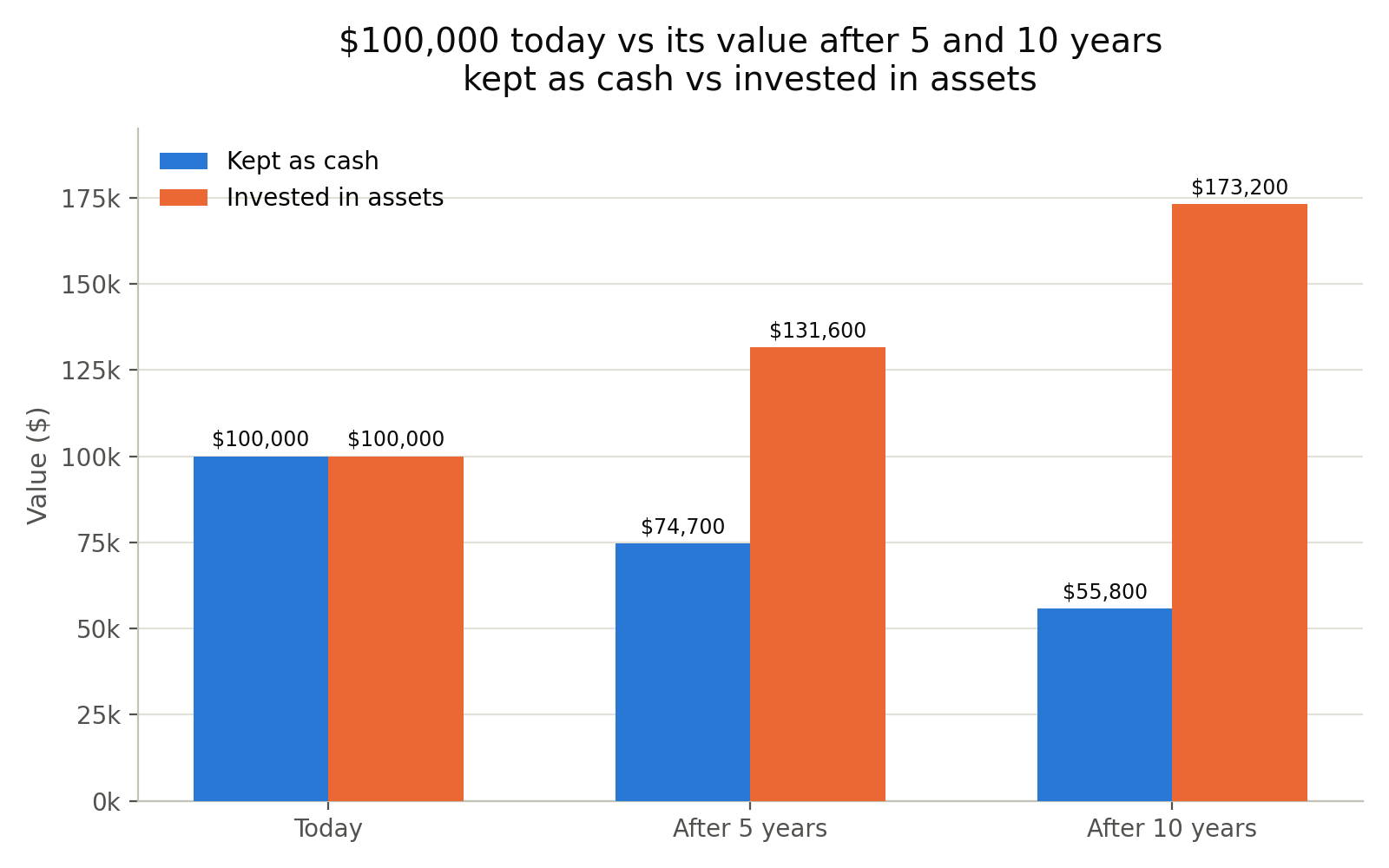
Whether you're building long-term wealth or exploring short term US stocks trading, the same principle applies. Your returns should ideally outpace inflation. Choosing quality businesses, managing risk carefully, and following a disciplined investment strategy can help you stay ahead as prices continue to rise.
Conclusion
Picture inflation as a moving escalator that never stops. If you stand still on it, you get carried backward, no matter how hard you try to hold your ground.
But if you start climbing, by owning stocks, property, or businesses instead of just saving cash, that same escalator can carry you upward, faster than you'd move on your own.
Inflation isn't going anywhere. The real question isn't how to escape it. It's how to use it. Once you understand that some assets rise with inflation instead of falling to it, you stop fearing rising prices and start planning around them.