
Introduction
Imagine paying more money for a single flower bulb than for a house in a big city. That really happened. It happened almost 400 years ago, in a country called the Netherlands. People call it Tulip Mania. Many say it was the world's first great market bubble.
The same lesson applies to modern markets. Whether you're researching trading advisory services for US stocks or making your own investment decisions, understanding why prices rise beyond reasonable levels can help you avoid chasing market hype.
What Was Tulip Mania?
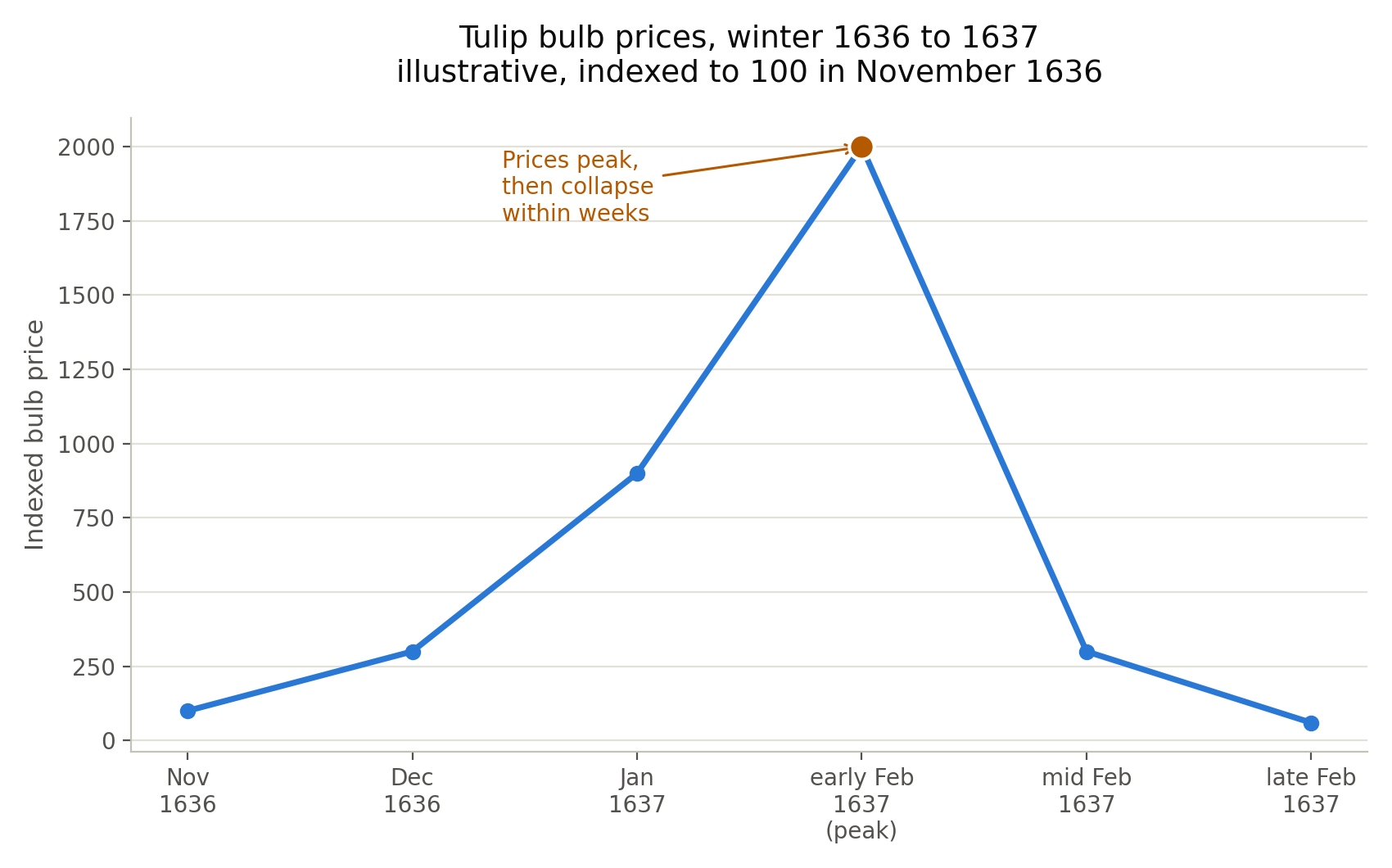
Tulip Mania happened in the 1630s. It was a short period when tulip bulb prices shot up incredibly fast. Then, just as fast, the prices crashed.
At the very top of the market, a single rare tulip bulb could cost more than a skilled worker earned in ten years. People weren't buying tulips to plant them. They were buying them to sell at a higher price later.
Why Tulips Became So Special
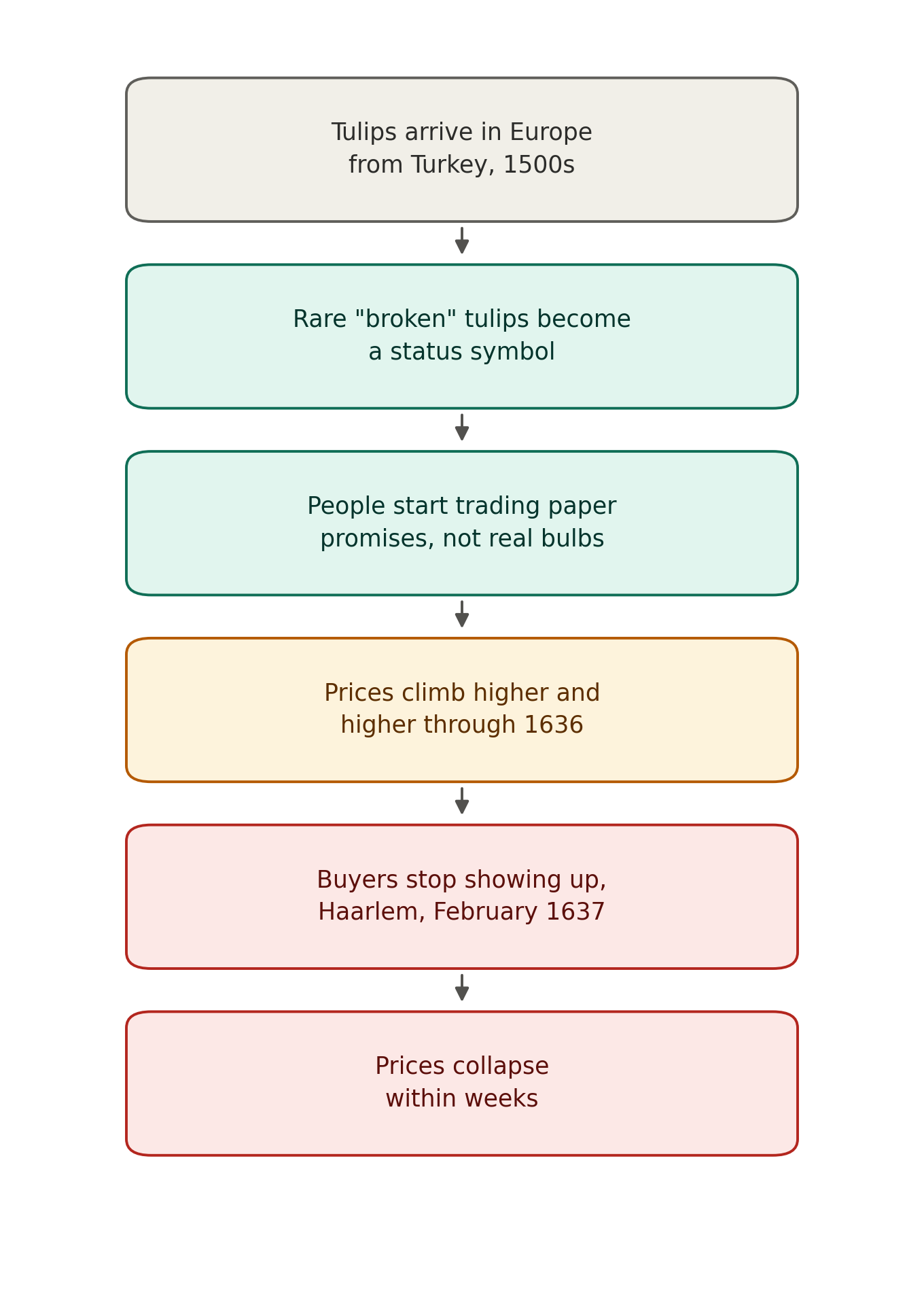
Tulips came to Europe from Turkey in the 1500s. They were new, colorful, and different from local flowers. Rich people in the Netherlands loved them. Owning rare tulips became a way to show off your wealth.
Some tulips had a strange and beautiful pattern: flame-like streaks of color on the petals. Nobody understood why at the time. We now know a virus caused it. These "broken" tulips were rare and unpredictable, so people wanted them even more.
How the Bubble Grew
As demand grew, prices kept climbing. More and more people wanted to join in and make money.
Soon, people weren't just buying real tulip bulbs. They started buying and selling paper promises instead: contracts to buy a bulb months later, once it was dug up from the ground. This let people trade tulips without even owning one yet.
This kind of trading looks a lot like how people trade stocks or futures contracts today. Buy low, hope the price goes higher, then sell. As more people joined in, prices climbed higher and higher, often with little connection to what a tulip bulb was actually worth.
The Crash
In February 1637, everything changed very quickly.
At a routine bulb auction in the city of Haarlem, buyers simply stopped showing up. Nobody wanted to pay the high prices anymore. Word spread fast. Panic set in.
Prices crashed almost overnight. People who had agreed to buy bulbs at sky-high prices were suddenly stuck with contracts they couldn't afford, or didn't want anymore.
Did It Really Wreck the Dutch Economy?
For a long time, people believed Tulip Mania destroyed the Dutch economy. Old books from the 1800s told wild stories about ruined families and a whole country thrown into chaos.
Today, most historians see it differently. They believe the crash mostly hurt a smaller group of speculators and traders, not the entire country. The Dutch economy kept growing strong in the years that followed.
The legend became bigger than the actual event. But the lesson underneath it stayed true.
Simple Lessons for Today
- Prices can rise fast when many people believe they'll keep rising, even if the thing itself hasn't changed at all.
- If you're buying something only to sell it for more later, ask yourself why someone else would pay more.
- A trading frenzy can feel exciting right up until it suddenly isn't.
- The most famous stories about a crash aren't always the most accurate ones.
For traders involved in short-term US stock trading, the story of Tulip Mania is a reminder to focus on price action, market momentum, risk management, and fundamentals rather than simply following the crowd.
Conclusion
A tulip bulb is just a flower. It doesn't grow more valuable on its own overnight. What changed in the 1630s wasn't the flower. It was how badly people wanted to own one, and how much they believed the next person would pay even more for it.
That's really what a bubble is. Not the object itself, but the story everyone starts believing about it, right up until they stop.