Introduction
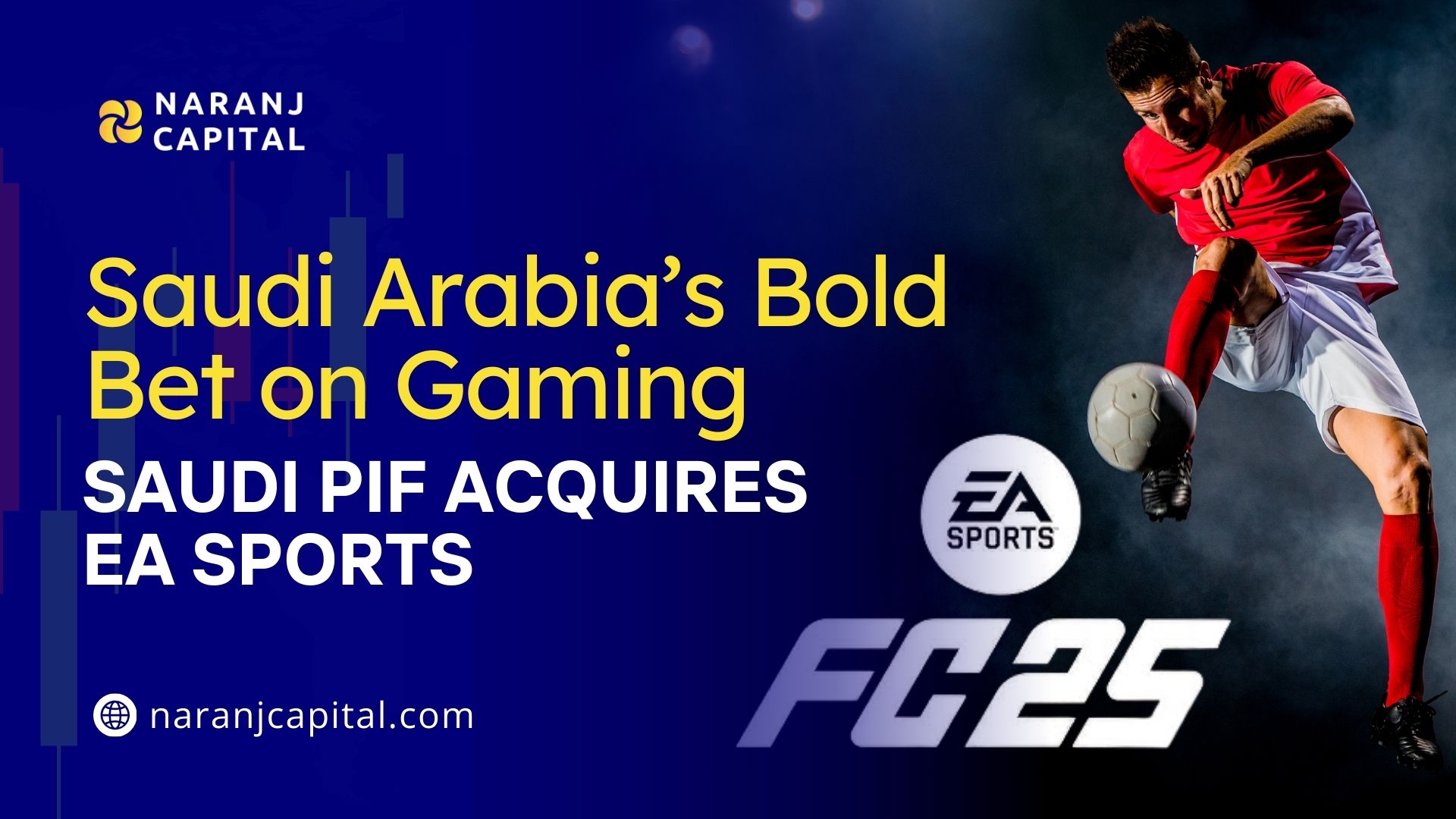
Saudi Arabia has just pulled off one of the most dramatic moves the technology and entertainment world has ever seen. On September 28, 2025, the kingdom’s Public Investment Fund (PIF), together with Silver Lake and Affinity Partners, announced a $55 billion all-cash acquisition of Electronic Arts (EA). The price tag is staggering, and the implications are even bigger. This deal instantly becomes the largest leveraged buyout in history and the second-largest gaming acquisition ever, only behind Microsoft’s purchase of Activision Blizzard in 2023.
But this isn’t simply another corporate takeover. It’s a strategic, carefully calculated step that reveals Saudi Arabia’s new identity—an identity built not on oil, but on entertainment, creativity, and global cultural influence. For investors exploring shariah compliant Saudi stocks trading advice, this acquisition signals how aggressively the kingdom is expanding its non-oil sectors.
The Deal That Shook the Industry
To understand the magnitude of this acquisition, consider what’s inside it. EA shareholders are receiving $210 per share, a 25% premium to the trading price before the announcement. Of the $55 billion, around $36 billion comes from the investor consortium, while nearly $20 billion is financed through debt arranged by JPMorgan. This becomes the largest take-private all-cash deal ever attempted, surpassing the previous record set by the TXU buyout in 2007.
The transaction is expected to close by the first quarter of fiscal year 2027, assuming regulators approve it. If it does close, it will mark a historic moment in the evolution of the gaming and entertainment industry.
Why Saudi Arabia Wants EA
To really grasp the purpose behind this purchase, you have to understand Vision 2030, Saudi Arabia's long-term plan to diversify its economy and reduce its dependence on oil revenues. Gaming is at the heart of that vision.
In 2022, Crown Prince Mohammed bin Salman launched the National Gaming and Esports Strategy, aiming to turn Saudi Arabia into a global gaming hub. The goals are extraordinarily ambitious: 250 gaming companies, 39,000 new jobs, and 50 billion riyals added to GDP by 2030. The kingdom has already committed more than $38 billion to investments in gaming and esports alone.
EA is the ultimate prize in this strategy. Its franchises are cultural powerhouses—EA Sports FC (formerly FIFA), Madden NFL, Battlefield, Apex Legends, The Sims. These titles reach hundreds of millions of players around the world. By acquiring EA, Saudi Arabia isn’t just buying a company; it’s buying global attention, cultural influence, and creative power.
How Saudi Arabia Quietly Built a Gaming Empire
The EA acquisition did not come out of nowhere. For several years, Saudi Arabia has been strategically stitching together a gaming empire through its subsidiary, Savvy Games Group.
It began in 2021 with investments in EA, Activision Blizzard, Take-Two Interactive, and a 5% stake in Nintendo. In 2022, Savvy acquired ESL and FaceIt, combining them into one of the world’s largest esports tournament platforms. In 2023, it purchased Scopely for $4.9 billion, giving the kingdom enormous influence in the mobile gaming segment.
With the EA buyout, Saudi Arabia now controls a complete gaming ecosystem: mobile games through Scopely, esports infrastructure through ESL-FaceIt, and AAA console and PC franchises through EA. This ecosystem also attracts investors looking for positional stock recommendations for Saudi Tadawul, especially as gaming begins to play a larger role in the kingdom’s economic diversification.
Soft Power Through Gaming
One of the most important reasons behind this acquisition has nothing to do with quarterly earnings. It’s about soft power—the ability to shape global culture through entertainment.
Saudi Arabia has already done this in traditional sports by owning Newcastle United, launching LIV Golf, hosting major boxing events, and investing heavily in international sports partnerships. Gaming is the next frontier. It is bigger than movies, bigger than music, and reaches billions of people worldwide.
Imagine the global influence that comes from controlling how football, American sports, combat games, and family-friendly classics are portrayed digitally. Imagine seeing Saudi stadiums, Saudi Pro League stars, or Saudi-sponsored tournaments inside globally played games. This is how nations build cultural visibility in the twenty-first century.
One gaming analyst described the acquisition as “a monumental soft-power move… Saudi Arabia wants the world to associate the country with fun.” And with EA under its umbrella, it just might succeed.
What Happens to EA’s Games Now?
For gamers, the question is simple: What changes?
There are reasons for optimism. As a private company, EA will no longer have to satisfy Wall Street every quarter. It could pursue long-term creative goals without the constant pressure of shareholder expectations. With PIF’s virtually limitless capital, EA’s studios may get the freedom to innovate, experiment, and develop new technology without fear of budget cuts.
But there are challenges too. The $20 billion debt attached to this buyout is significant. Large debt loads typically force companies to double down on revenue-generating franchises—meaning sports titles, live-service games, and established moneymakers like Apex Legends will receive the most attention. Riskier projects, especially narrative-driven single-player games, may struggle to get greenlit. Studios such as BioWare, already under pressure, could face even more scrutiny if upcoming releases stumble.
The future of EA will depend on whether the new owners prioritize cultural influence and long-term growth, or whether they chase aggressive monetization to pay off debt quickly.
Gaming as the New Strategic Asset
The broader lesson from this acquisition is that gaming is no longer just entertainment. It has become a strategic asset that nations and powerful investment groups actively compete for. Intellectual property has become the new oil—an engine that generates cultural influence, community engagement, and long-term economic value.
Saudi Arabia understands this better than most. With a population of over 23 million gamers at home and control over some of the world’s most influential franchises, the kingdom has positioned itself at the center of global gaming’s future.
Final Thoughts
The EA acquisition is both thrilling and unsettling. Thrilling because it recognizes gaming as a mature, culturally defining industry worthy of massive investment. Unsettling because it places enormous creative power in the hands of investors whose priorities may or may not align with those of gamers.
If the PIF-led consortium chooses patience, creativity, and long-term franchise building, it could win enormous goodwill from players worldwide. If not, it risks repeating the same missteps that have damaged EA’s reputation in the past.
What is clear is that the gaming world has just taken a dramatic geopolitical turn—and all eyes will be on Saudi Arabia to see how it uses its newfound power in shaping the future of digital entertainment.
Check our Stock Advice Performance for KSA Tadawul.
Join our community of traders and investors: