Introduction
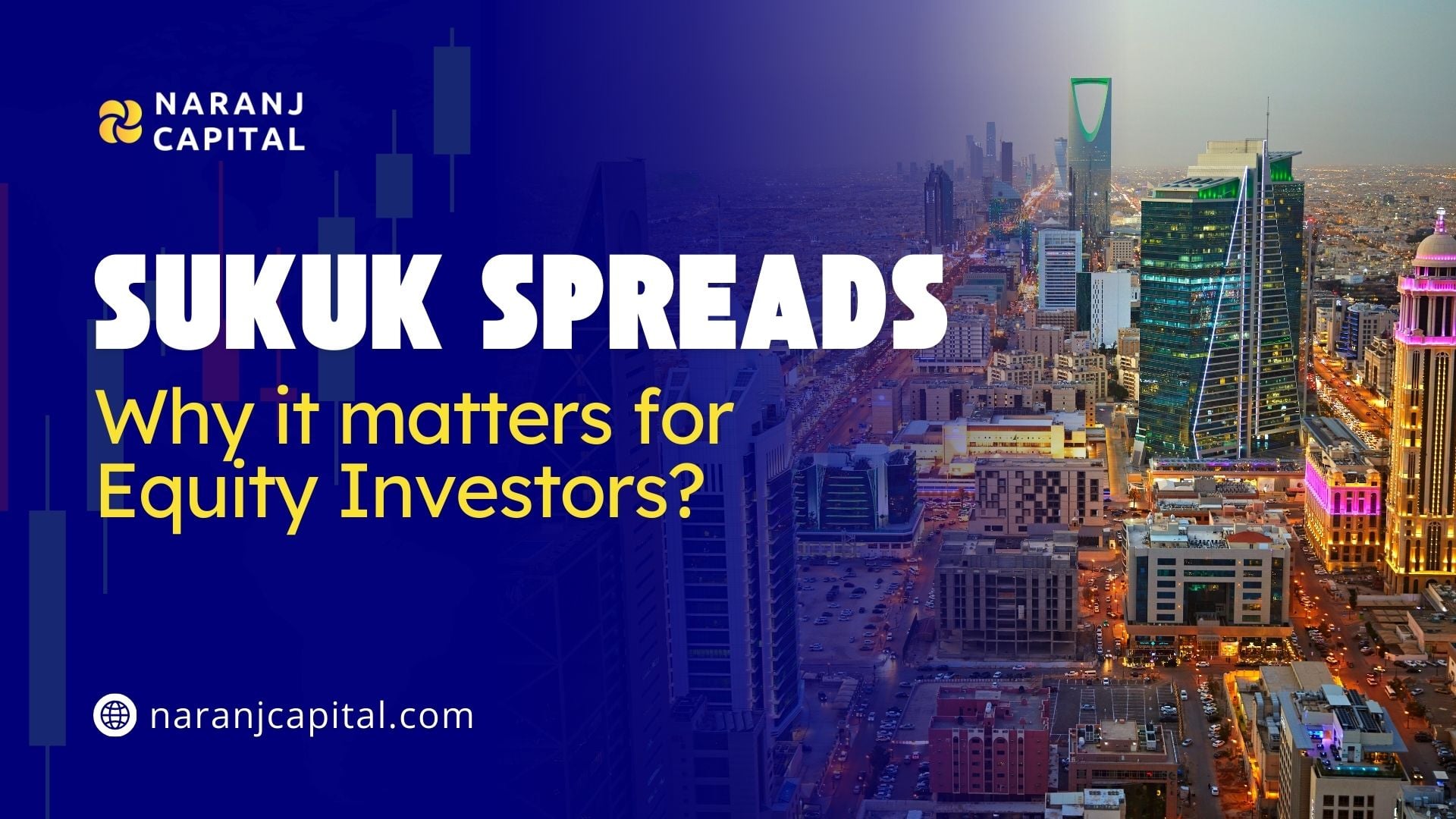
Saudi Arabia’s sukuk market has become one of the largest and most active in the world. For investors in the Saudi Exchange (Tadawul), this market quietly provides a powerful signal about how lenders view the financial health of listed companies. If you only look at share prices and ignore sukuk yields, you may be missing early warning signs — or early opportunities.
What Sukuk Really Mean in Simple Terms
Sukuk are Shariah-compliant investment instruments that work much like bonds. Instead of paying interest, they provide profit payments, but in practical terms they behave very similarly to conventional bonds. Investors receive regular payments and get their principal back at maturity. Because of this, sukuk have yields — and those yields move up and down depending on how risky the market thinks the issuer is.
The Saudi government has built a strong domestic sukuk curve over the years, becoming one of the world’s largest sovereign sukuk issuers. This creates a clear benchmark for pricing risk inside the Kingdom. When a Saudi corporate issues sukuk, its yield is compared to Saudi government sukuk of similar maturity. The difference between the two is called the “spread.” That spread is simply the extra return investors demand for taking company risk instead of lending to the government.
If a company’s sukuk yields much more than Saudi government sukuk, investors are saying, “We need extra compensation to take this risk.” A small spread usually signals confidence. A large spread signals concern.
Why Sukuk Spreads Can Move Before Share Prices
For equity investors, this matters more than many realize. Sukuk are mostly held by banks, insurers, and institutional investors. These investors closely monitor balance sheet strength, refinancing risk, and credit ratings. They often react quickly when they sense financial stress.
Because of this, sukuk spreads sometimes widen before a company’s share price fully reflects the risk. Credit investors tend to focus first on the company’s ability to survive and repay debt. Equity investors often react later.
For investors seeking KSA trading and investment advice, watching sukuk spreads alongside stock prices can provide a valuable early signal about whether institutional lenders are becoming more cautious about a particular company.
When Rising Spreads Signal Trouble
When spreads start rising steadily over months, it often suggests that leverage is increasing, cash flow is weakening, or investors are uncomfortable with management decisions.
When spreads suddenly jump in a short period, it can indicate something more serious — perhaps disappointing earnings, refinancing concerns, or a rating downgrade.
If the sukuk market becomes nervous while the stock still trades at a high valuation, that mismatch can be a strong warning sign.
Not Every High Spread Is Bad News
Wide spreads do not always mean disaster. Sometimes spreads rise because of broader factors affecting Saudi Arabia and the region. Oil price swings, global interest rate changes, or global financial stress can push up yields across the market.
In those cases, it is important to see whether the move is happening to all issuers or just one company. If everyone’s spreads are widening, it may simply be macro pressure. But if one company’s spreads are rising much faster than others, that usually points to company-specific risk.
There are also moments when wide spreads create opportunity. A company may face a temporary shock — perhaps related to oil prices or a one-off earnings issue — and its sukuk spreads may spike sharply. If the company then stabilizes its balance sheet, reduces debt, or improves cash flow, spreads may gradually tighten.
When creditors start regaining confidence but the equity market remains pessimistic, that can create attractive entry points for long-term investors.
Vision 2030 and the Growing Importance of Credit Signals
Saudi Arabia’s economic transformation under Vision 2030 has deepened both the equity and debt markets. Sukuk spreads now reflect real-time views about credit quality across many sectors.
Watching these spreads alongside earnings reports and valuation multiples gives you another layer of insight. You begin to see whether professional lenders are becoming more comfortable or more cautious about a company’s future.
The Bottom Line
In simple terms, sukuk yields tell you how relaxed or nervous creditors are. If they are demanding much higher returns to lend to a company, pay attention. If they are slowly accepting lower returns again, confidence may be returning.
By regularly checking how a company’s sukuk trades compared to Saudi government sukuk, you add a practical and powerful risk signal to your investment process. Over time, this habit can help you avoid unpleasant surprises and spot recovery stories earlier — giving you an edge in the Saudi market.
For investors seeking informed Shariah compliant Saudi stocks trading advice, combining equity analysis with signals from the sukuk market can provide a deeper and more disciplined understanding of risk.